By Joseph Pryweller
CONFERENCE DIRECTOR
Published: November 6, 2014 9:11 am ET
Updated: November 6, 2014 4:52 pm ET
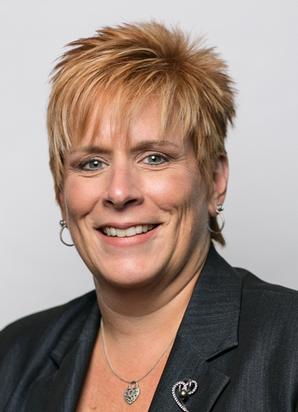
Laurie Harbour
INDIANAPOLIS — The devil is in the details, and United States processors cannot sidestep operational processes if they expect to compete in today’s changing manufacturing environment.
Laurie Harbour, president and CEO of Royal Oak, Mich.-based Harbour Results Inc., has spent more than a quarter-decade assessing and benchmarking plastics processors and other companies. In a presentation at the MAPP Benchmarking and Best Practices Conference on Oct. 16 in Indianapolis, Harbour warned that U.S. manufacturing still faces challenges that are particularly vexing to many processing companies. The conference was organized by Manufacturers Association for Plastics Processors.
The manufacturing climate, which many experts expected to be more robust after several years of softness, is still flat, Harbour said. Of the more than 280,000 new jobs reported for the U.S. economy in October, for instance, only about 4,000 of them were in manufacturing.
“What kind of jobs are we growing?” Harbour asked, describing the marketplace for processors as “hot and cold.”
Several issues specifically face plastics processors as they attempt to grow. One is the need for the mass customization of components and more complex parts to fit customer requirements, Harbour said. That escalates the use of “big data,” according to Harbour, and analytics to determine how to keep costs fairly low while parts complexity increases.
Harbour, who regularly consults with toolmakers in the automotive industry, said the number of tools per vehicle has risen 20 percent since 2000 and will rise another 25 percent to 2020. The cost of each tool is also increasing, amplified by the emerging use of more robust parts using multi-shot molding, aluminum tooling and in-mold manufacturing.
Harbour suggested companies attempt to reinvent how tools are made by standardizing and improving processes, keeping costs at low ebb. The use of an assembly line approach to tooling can help, as would an analysis of the life cycle costs of tooling over the course of its use, she said. But the issue will not disappear easily: “A lot of [companies] say they can’t afford tooling anymore,” Harbour said.
As major a problem is that of the talent gap, where many plastics processors cannot find the younger workers to replenish their operations. Harbour said a huge percentage of workers — about 45,000 people — in U.S. plastics processing are 50 to 70 years of age. A collective challenge is not only luring younger workers to the field but in training and development.
In tooling alone, it takes about 10 years to train a great mold maker, she said. The sharing of “tribal knowledge” from one generation to the next can be difficult, she said. A good starting place is launching programs at universities and community colleges to attract young workers.
From a wider angle, companies that are growing face issues of costs that exceed enhanced sales. For instance, a processor that boosts annual sales from $20 million to $30 million will face increased cost burdens, leading to fewer profits than when the company was smaller, Harbour said.
Harbour advocated the need for operational leadership across organizations. Successful processors evaluate the details of the business, including cost analyses, assessments of workforce needs and strict demand planning and scheduling. The need exists to manage the peaks and valleys of a processing companies and better align costs and investments.
Operational leadership, the term that Harbour used throughout her talk, could mean the difference between growth and stagnation for a processing company.
|